The Evolution of Higher Education: Adapting to a Changing World
This article examines the transformation of higher education over the years, focusing on how institutions have adapted to meet the needs of students and society in an ever-changing landscape.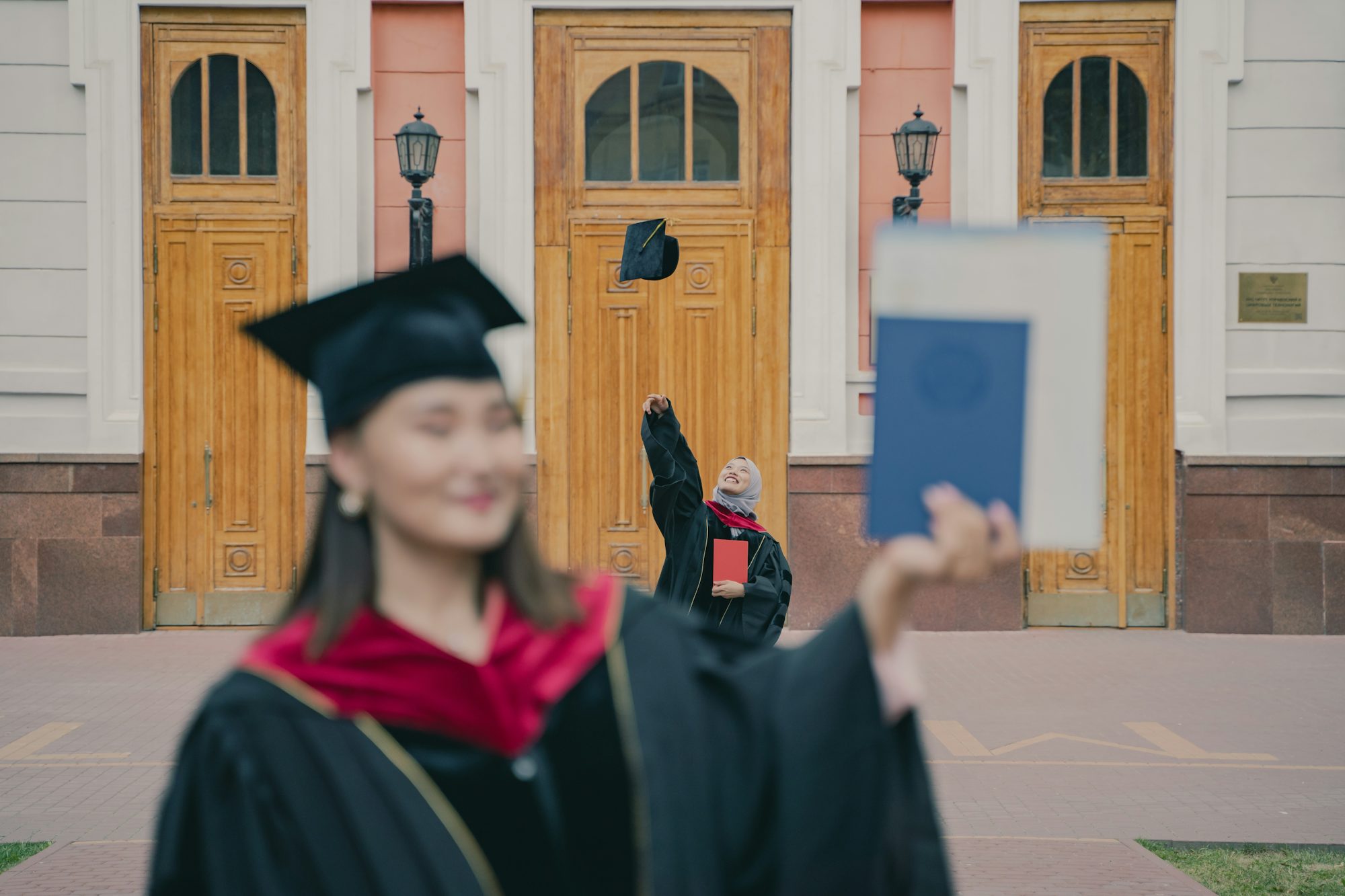
In the past, higher education was often seen as a privilege reserved for a select few, primarily those from affluent backgrounds. Today, the landscape is much more inclusive, with many institutions striving to provide access to education for diverse populations. This shift has been driven by a growing recognition of the value of education in promoting social mobility and economic development. Many universities now offer scholarships, financial aid, and community outreach programs to support underrepresented groups, ensuring that education is accessible to all.
Technological advancements have played a crucial role in transforming higher education. The rise of the internet has enabled the proliferation of online learning platforms, allowing students to access educational resources from anywhere in the world. This flexibility has opened doors for non-traditional students, including working professionals and those with family commitments, who may not be able to attend classes on campus. Online education has evolved from basic distance learning to sophisticated programs that utilize interactive tools, virtual classrooms, and collaborative projects, creating a dynamic learning experience.
Moreover, universities are increasingly integrating technology into traditional classroom settings. Smart classrooms equipped with advanced audio-visual tools facilitate interactive learning, while learning management systems allow for seamless communication between students and instructors. These innovations not only enhance the learning experience but also prepare students for a technology-driven workforce. As industries continue to evolve, the demand for tech-savvy graduates capable of navigating complex digital landscapes has never been higher.
Globalization has also had a profound impact on higher education. As economies become more interconnected, universities are increasingly emphasizing the importance of a global perspective in their curricula. Many institutions now offer international programs, allowing students to study abroad and gain valuable cross-cultural experiences. These opportunities not only enrich students' education but also foster a sense of global citizenship, preparing them to thrive in diverse environments.
In addition, universities are forming partnerships with institutions around the world, facilitating collaborative research and exchange programs. This globalization of education enables students and faculty to engage with different cultures and ideas, fostering innovation and broadening perspectives. As a result, graduates emerge with a deeper understanding of global challenges and a heightened ability to contribute positively to society.
The evolving workforce is another factor driving change in higher education. With rapid advancements in technology and shifting economic demands, there is a growing emphasis on equipping students with the skills necessary for success in their chosen fields. Universities are increasingly collaborating with industries to develop curricula that align with workforce needs, ensuring that graduates are prepared for the realities of the job market.
Experiential learning opportunities, such as internships, co-ops, and service-learning projects, have gained prominence as essential components of modern education. These hands-on experiences allow students to apply theoretical knowledge in real-world settings, enhancing their skills and employability. Furthermore, many universities are incorporating soft skills training into their programs, recognizing the importance of communication, teamwork, and adaptability in today's dynamic work environment.
Diversity and inclusion have become central themes in the evolution of higher education. Institutions are increasingly acknowledging the importance of creating inclusive environments that reflect the rich tapestry of society. Efforts to recruit and retain diverse faculty and student bodies have been prioritized, recognizing that varied perspectives contribute to a more enriching educational experience.
Universities are also implementing policies and programs aimed at fostering an inclusive culture on campus. From mentoring programs for underrepresented students to initiatives promoting cultural awareness, these efforts are crucial in creating an environment where all students feel valued and supported. As higher education institutions strive to prepare students for a global society, embracing diversity becomes essential in cultivating future leaders who can navigate complex social dynamics.
In addition to the emphasis on diversity, mental health and well-being have emerged as critical considerations in higher education. As students face increasing pressures from academics, social dynamics, and the job market, universities are prioritizing mental health resources and support services. Many institutions are implementing programs to promote well-being, providing counseling, stress management workshops, and mindfulness initiatives. This focus on mental health not only supports students' overall well-being but also fosters a positive campus culture conducive to learning.
Furthermore, the pandemic has accelerated many of these changes, forcing universities to adapt quickly to new realities. The shift to remote learning highlighted the importance of flexibility and resilience in education. Institutions have invested in technology and training to support online learning, ensuring continuity of education in challenging circumstances. The experience gained during this period will likely shape future approaches to teaching and learning, with hybrid models becoming more common.
As we look to the future, the evolution of higher education will continue to be shaped by emerging trends and challenges. From the integration of artificial intelligence in educational practices to the increasing importance of lifelong learning, universities must remain agile in responding to the needs of students and society. The commitment to providing quality education, fostering inclusivity, and embracing innovation will be essential in preparing graduates for the complexities of the modern world.
In conclusion, the evolution of higher education reflects a dynamic response to societal changes, technological advancements, and the diverse needs of students. As institutions adapt and innovate, they play a vital role in shaping the future of education, equipping graduates with the knowledge and skills necessary to thrive in an ever-changing landscape. The journey of higher education is ongoing, and its ability to evolve will determine its relevance and impact in the years to come.